Japan’s residential property market soars as foreign investors search for a safe haven
Mostly prompted by the US-China trade war and geopolitical tensions elsewhere
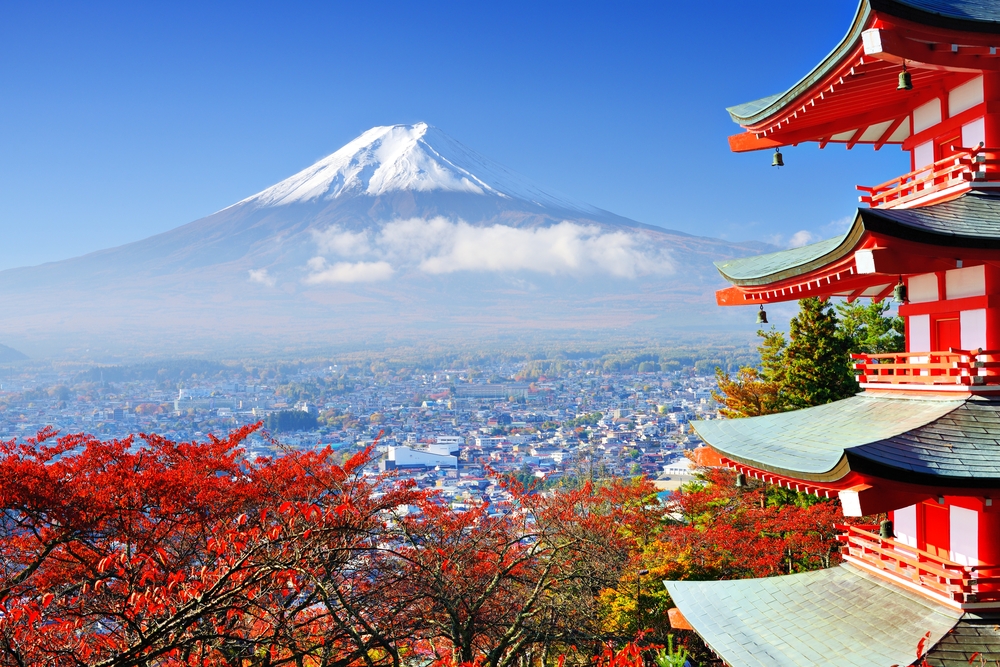
Due to the US-China trade war and growing uncertainties in other countries, the residential property market in Japan has witnessed a 50 percent rise in foreign investments compared to a year ago, reported South China Morning Post.
“I believe the interest of foreign investors in Japan property will grow further. We are having larger groups of investors becoming interested in the market… particularly in residential,” said Hideaki Suzuki, Cushman & Wakefield’s director and head of research and consulting in Japan.
According to research published by Real Capital Analytics, a data analytics company focusing on property deals of over USD10 million, foreigners bought a total of USD848.4 million in Japanese multifamily residences, including townhomes, apartment buildings, and duplexes that can cater to different families in separate units.
Since there are still pending deals worth USD1.2 billion, they predict the cross-border investment to reach at least USD2.1 billion by the end of the year, at least four times more than a year before.
More: Japan’s niche real estate sectors are enticing investors
Allianz Real Estate, the property investment unit of German insurer Allianz, acquired a USD1.2 billion portfolio of 82 residential assets with 4,600 multifamily units last October.
In the same month, M&G Real Estate, the property fund management arm of M&G Investments, acquired a residential portfolio of three assets with 307 multifamily residential units for USD57 million.
Japan is the world’s third-biggest economy, but it also has a rapidly-ageing population. Fortunately, major cities like Tokyo appeal to net migration, where younger generations are moving from other parts of the country.
Just last year, the total population in the Japanese capital rose by nine percent, which is around 80,000 more people. Experts believe the government initiative of allowing foreign workers to eventually become Japanese citizens could have also encouraged the growth.
Recommended
Investors double down on Jakarta despite Nusantara’s political rise
Density, demand, and capital flows continue to anchor real estate momentum in Greater Jakarta
Hong Kong’s deadliest blaze in decades triggers stricter safety rules
But enforcement is the real test

A conversation with ThirdHome founder Wade Shealy
How luxury exchange reshapes home ownership, travel, and asset use
Trade politics and domestic fragility test the Philippines’ property market
How global uncertainty and internal divisions are redrawing the outlook