Vientiane Capital plans for the development of a Smart City project
Plots of land in Saysettha and Hatxayfong districts are prohibited from being sold, transferred, or mortgaged
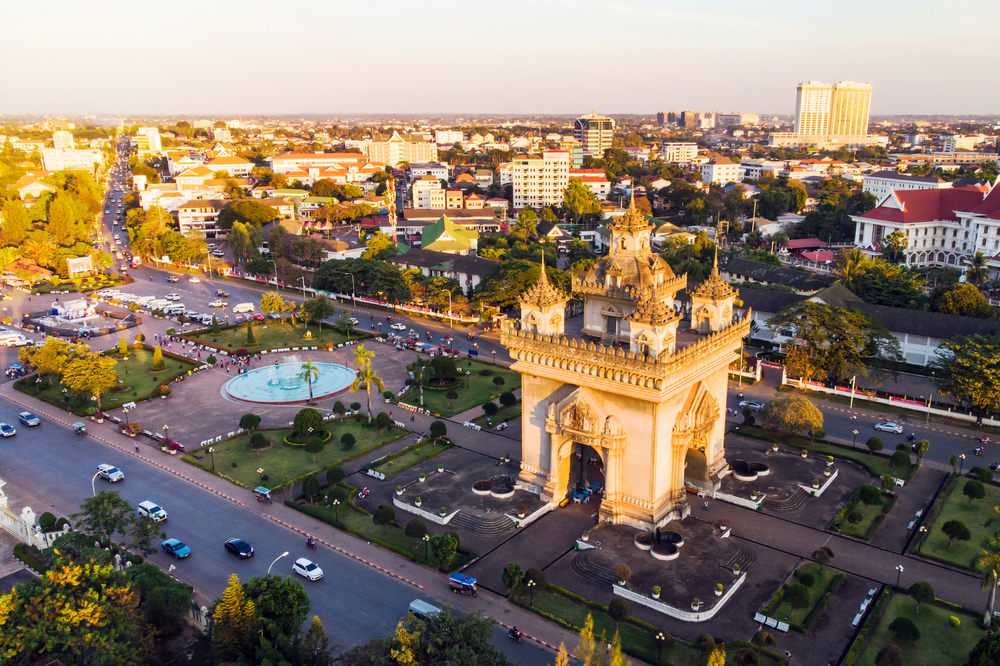
In Laos, city authorities of Vientiane Capital have prohibited the sale of land across 12 villages in two districts to reserve the grounds for the development of a Smart City project, reported The Laotian Times.
According to a notice issued by the Vientiane Capital Office of Administration, certain plots of land in Saysettha and Hatxayfong districts can no longer be sold, transferred, or mortgaged.
Chomsy, Nakhuay Tai, Nakhuay Kang, Nano, and Nahai villages in Saysettha District have been reserved, as well as Dongphonhae, Khamchaleun, Nongpaen Neua, Nongpaen Tai, Xiengkhuan, Thapha, and Nongphong villages of Hatxayfong District.
On top of the restrictions mentioned above, individuals or legal entities are also not allowed to enter or take any type of action on the land reserved for the project.
More: Laos prepares to revive tourism with new ‘Green Zone’ plan
Local authorities have also been disallowed from signing documentation related to restricted land.
The Smart City project in Vientiane Capital will be constructed by a local company, while an investment firm from Thailand plans to construct smart city projects in Luang Namtha and Oudomxay provinces.
The Property Report editors wrote this article. For more information, email: [email protected].
Recommended

Why cities plan for decades but finance only for years
Chantale Wong on how mismatched timelines between cities and capital are stymieing Asia-Pacific’s urban future
Industrial heat meets residential cool across Malaysia real estate
A server-farm boom powers Malaysia’s property market while residential recalibrates around affordability and caution

Young buyers hold the key to unlocking Bangkok’s empty homes
The Thai capital's skyline still rises, but the market seems out of sync with its next generation of buyers
Investors double down on Jakarta despite Nusantara’s political rise
Density, demand, and capital flows continue to anchor real estate momentum in Greater Jakarta