China’s retail sector set to recover in the second half of 2020
As COVID-19 cases start to decline, the country regains its confidence in controlling the outbreak
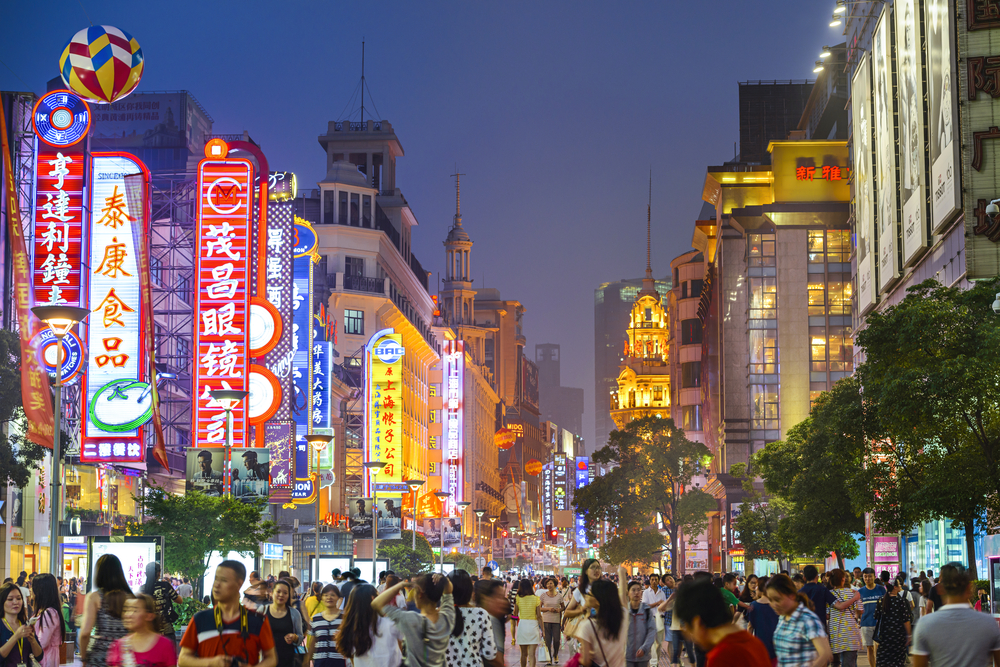
Savills China Retail believes that China’s retail sector will fully recover by the second half of the year, once the country has recouped from the COVID-19 pandemic, reported Retail News Asia.
Entertainment centres, shopping malls, restaurants, and gyms that were affected by the government-mandated lockdown in late January is predicted to flourish post-coronavirus, as consumers cautiously retreat back to their old shopping habits.
Shopping malls in Shanghai have had 30 percent fewer shoppers compared to before the outbreak. However, starting today, malls will return to their regular operating hours, from 10 AM to 10 PM, and most retail tenants will reopen to the public.
Since the reopening, sources have already revealed long queues outside fashion stores in IAPM mall, as well as difficulty in finding parking slots and seats at coffee shops.
More: The escalating household debt in China ‘a major concern,’ warns experts
Even though some restaurants have permanently closed due to the unaffordability of labour and rent costs during the outbreak, those who did survive were allowed to reopen as soon as they have reapplied.
Most gyms in the country have also reopened. In Beijing, however, they allow a maximum capacity of 50 people per 30,000 square feet per 90-minute workout. A 30-minute sanitation process will then follow before letting the next 50 people to come in.
KTV venues and nightclubs have also reopened in China a few days ago, except in Beijing, while other entertainment centres preferred to remain close during this time.
Savills also revealed that some local Chinese brands have already ceased operations because of financial concerns and the number will likely increase in the next couple of weeks. International brands who wanted to expand into China’s retail market have also put their plans on hold.
Recommended

Japan’s cities boom as rural towns hollow out
Millions of homes sit abandoned as the forces reshaping Japan's property market pull in opposite directions

What Johor’s data centre boom means for those living beside it
Malaysia's data gold rush is reshaping the state, testing the balance between investment and liveability

South Korea’s apartment developers wrestle with solar mandates
New regulations are forcing residential developers to generate their own energy

6 projects designed for people and planet
Sustainability has shifted from buzzword to blueprint, and this new generation of buildings proves it